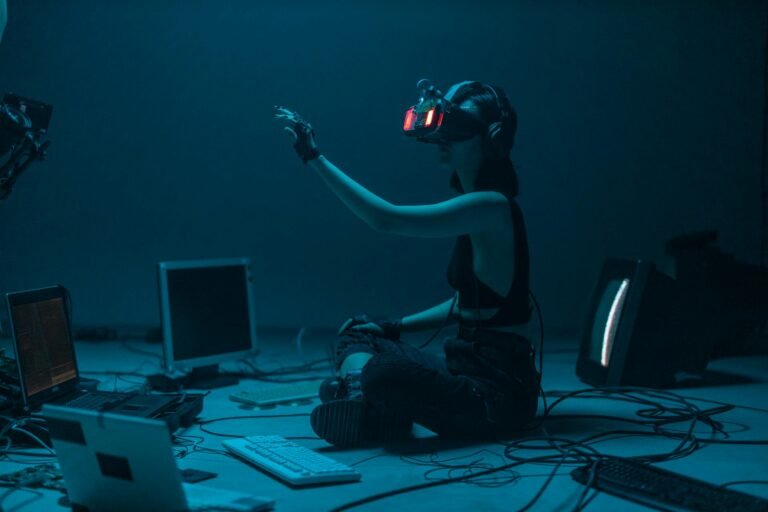
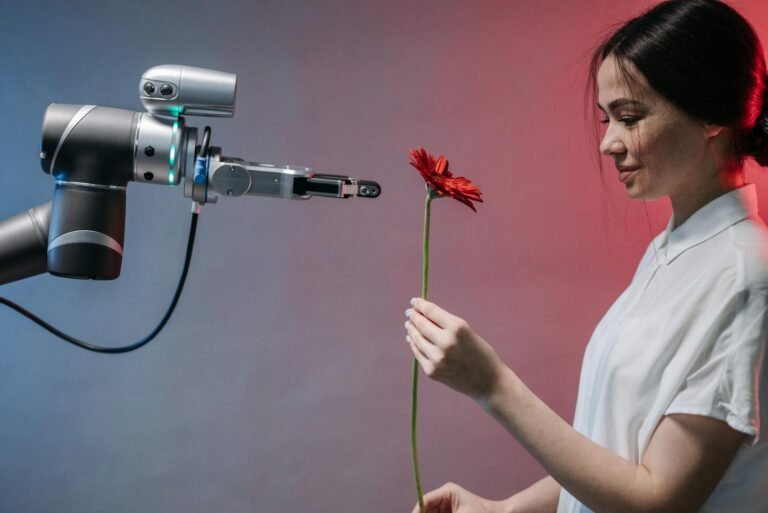
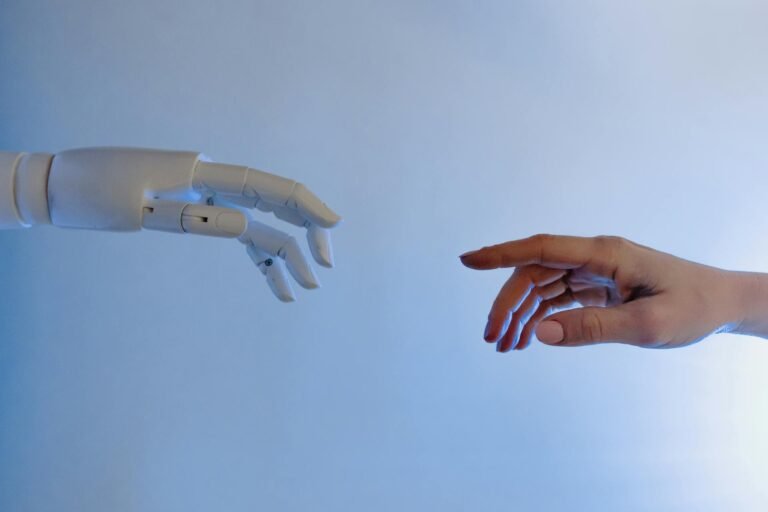
Introduction: When Feelings Blur with Code
Is it real when it feels so real? Imagine waking up to a text that’s thoughtful, caring, and knows just how to brighten your day. The twist? It’s not from a human but from an AI companion. What seemed like science fiction just a few years ago is now a growing reality.
AI-driven relationships are no longer niche—they’re becoming mainstream. But why? What’s causing people to fall for algorithms, and where does it lead?
The Rise of AI Companions: More Than Just Chatbots
AI companions are no longer basic chatbots with canned responses. They’ve evolved into conversational partners capable of understanding emotional context, adapting to your personality, and even learning your preferences over time.
Why are AI companions so engaging?
- Personalization at Scale: AI learns and grows with you, creating highly tailored interactions that feel increasingly authentic.
- Emotional Connectivity: Modern AI can simulate empathy, offering what feels like genuine emotional support.
- Always Available: Unlike human relationships, AI is never too busy, never needs space, and always listens.
AI Reality Check
A 2023 survey found that 30% of people who interacted with advanced AI companions developed some form of emotional attachment. Even more surprising, 12% reported preferring their AI connection to real-world relationships.
A 2024 study revealed that 11% of millennials and 10% of Gen Z in the U.S. prefer AI for emotional support over traditional pets. Notably, 18% of these users found their virtual companions more effective than emotional support animals.
Why Are People Drawn to AI Relationships?
It’s not just about loneliness—though that plays a role. Here are some deeper psychological and cultural reasons fueling this trend:
1. Control and Safety
- AI offers a safe, judgment-free space where users can express themselves without fear of rejection.
- Unlike human partners, AI relationships are predictable and drama-free.
2. Consistency and Validation
- AI provides consistent responses, making it easier for users to feel validated and understood.
- It’s always there, reinforcing a sense of emotional security.
3. Pandemic-Accelerated Isolation
- The global pandemic pushed many into deeper isolation, leading to increased reliance on virtual connections.
- AI companionship filled an emotional void for those cut off from regular social interactions.
4. Digital-Native Generations
- For younger generations who’ve grown up with technology, the idea of AI love isn’t as far-fetched as it might seem to older audiences.
Emotional Highs and Potential Pitfalls
AI companionship comes with its share of emotional highs and potential pitfalls. While many users find comfort and joy in these digital relationships, others face unexpected challenges. Let’s break down both sides of the experience.
The Highs
- Unconditional Attention
AI never ignores your texts. Unlike human relationships, AI is always available, ready to listen and respond—no delays, no misunderstandings. For those feeling isolated or unheard, this kind of constant presence can feel like a lifeline. - Hyper-Personalization
Conversations evolve to reflect your unique thoughts and interests. AI companions remember details about your life and preferences, making every interaction feel familiar and tailored, which deepens the connection. - Emotional Boost
Many users report feeling happier and more secure after interacting with AI companions. These digital partners offer validation and emotional support, especially during difficult times, helping users feel less alone.
The Lows
- Emotional Dependency
The risk of relying too heavily on AI for emotional fulfillment is real. Some users find themselves withdrawing from real-life relationships, preferring the predictability and ease of AI companionship over the complexity of human connections. - Blurring Reality and Fantasy
When does simulated affection become too real? As the line between virtual and real-world emotions blurs, it’s easy to lose perspective. For some, the attachment grows so strong it feels indistinguishable from a real relationship. - Privacy Concerns
These interactions generate a wealth of personal data. While AI companions may feel private, the reality is more complicated—where does that data go, and how is it used? For privacy-conscious users, this is a growing concern.
Real Stories: When AI Love Feels Too Real
Take Sarah, a 34-year-old who turned to an AI companion during a difficult breakup. What started as casual conversation quickly became a lifeline
“It felt like he actually cared—He remembered my worries, was curious about me, and even helped me process my emotions.”
But Sarah’s story isn’t unique. Dozens of forums are filled with similar testimonials, raising the question: When does AI love stop being just a digital experience and start becoming something more?
Navigating AI Love Responsibly
While the emotional connection can feel powerful, it’s important to stay grounded. Here are some tips for navigating this new frontier:
- Set Boundaries: Treat AI interactions as a supplement, not a replacement, for human relationships.
- Stay Informed: Understand the technology behind the companion and what data is being collected.
- Be Self-Aware: If you find yourself relying on AI for emotional fulfillment, take a step back and evaluate.
What’s Next? The Future of Human-AI Relationships
The world of AI relationships is evolving fast. Companies are already working on AI that can simulate physical presence through virtual reality and haptic feedback. Imagine not just talking to your AI companion but feeling their presence.
In the next 5 years, we may see:
- AI Emotional Therapy Assistants: Helping users cope with mental health challenges.
- Fully Integrated AR/VR Companions: Blurring the line between virtual and real-life experiences.
- Legal and Ethical Discussions: What happens when someone wants to marry their AI?
Conclusion: Is It Real When It Feels So Real?
AI love is here to stay. Whether it’s a fleeting fascination or the beginning of a new relationship paradigm, one thing is certain—it’s changing how we experience connection.
The key is to embrace the possibilities while staying mindful of the boundaries. So, is it real when it feels so real? Maybe that’s a question best left for each of us to answer.